Choosing eco friendly beauty products is a practical way to make everyday skincare, haircare, and personal-care routines more sustainable. These products are designed with greater attention to ingredients, packaging, sourcing, manufacturing, and waste.
However, “eco-friendly” does not automatically mean better or safer for everyone. Understanding labels, ingredients, packaging, and product claims can help you make informed choices without unnecessary spending or greenwashing.
What Are Eco Friendly Beauty Products?
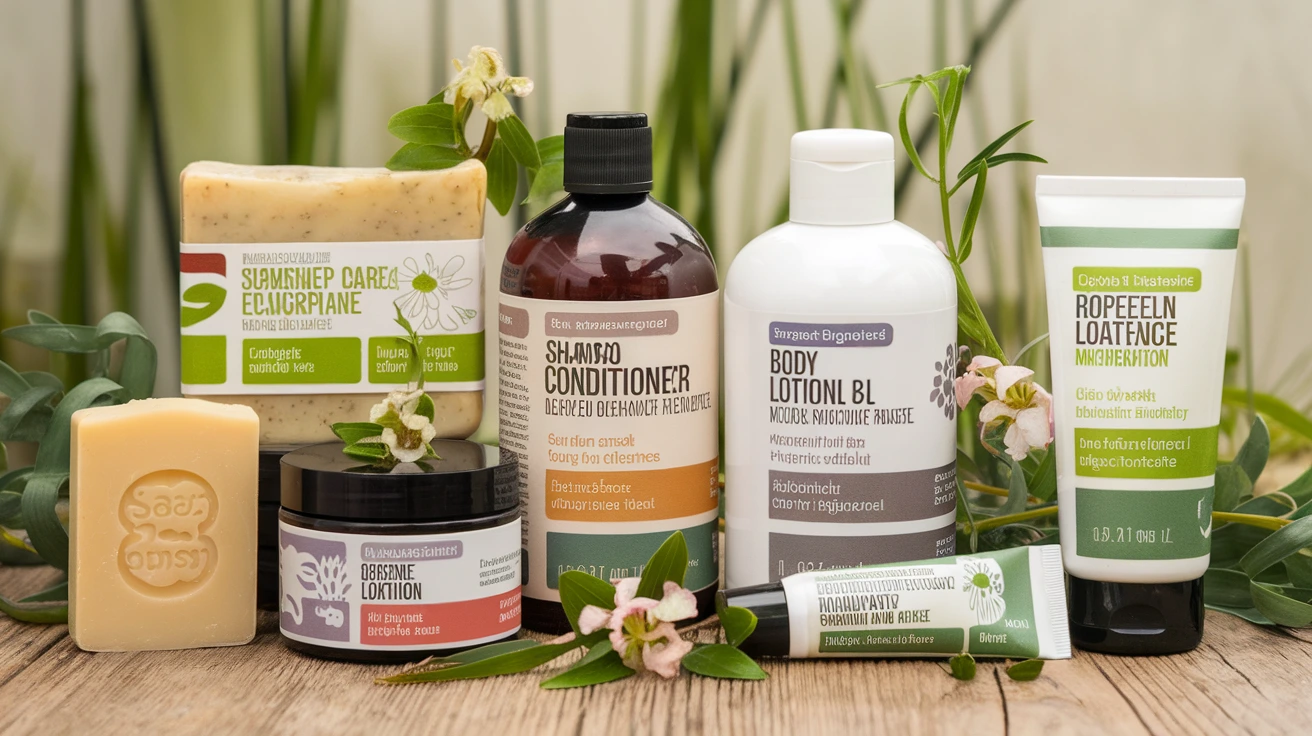
Eco friendly beauty products are personal-care items developed to reduce their environmental impact compared with conventional alternatives. This can involve biodegradable ingredients, responsibly sourced materials, refillable containers, recyclable packaging, reduced plastic use, or lower-impact manufacturing.
The term is broad, so products can vary significantly. A shampoo bar may reduce plastic packaging, while a facial moisturizer may focus on responsibly sourced ingredients and recyclable containers.
Common examples include:
Solid shampoo and conditioner bars
Refillable skincare containers
Reusable makeup accessories
Biodegradable personal-care products
Products packaged in recycled materials
Plant-based or responsibly sourced formulations
The most sustainable option depends on the entire product lifecycle rather than one environmental feature.
Why Sustainable Beauty Products Matter
The beauty industry uses large quantities of packaging, water, energy, and raw materials. Many beauty products also come in small containers made from multiple materials, which can make recycling difficult.
Choosing products with less unnecessary packaging can help reduce household waste. Buying only what you need can also be more sustainable than frequently replacing partially used products.
Sustainable beauty focuses on several areas:
Reducing packaging waste
Using resources responsibly
Limiting unnecessary single-use materials
Supporting responsible ingredient sourcing
Encouraging longer-lasting products
Small changes can become meaningful when they are part of a consistent routine.
Benefits of Eco Friendly Skincare
Eco friendly skincare can offer environmental benefits while still providing familiar skincare functions such as cleansing, moisturizing, and protecting the skin barrier.
For example, a refill system can reduce the amount of packaging needed each time a product is purchased. Similarly, concentrated formulas can sometimes require less packaging and transportation than products containing large amounts of water.
When choosing sustainable skincare, consider:
Packaging size and material
Whether the container is recyclable or refillable
Ingredient sourcing
Product concentration
How long the product lasts
Whether the formula suits your skin
Sustainability should complement good skincare practices rather than replace them. A product still needs to be appropriate for your skin type and used according to its directions.
Eco Friendly Haircare Choices
Haircare is another area where simple changes can reduce waste. Shampoo bars, conditioner bars, refillable bottles, and concentrated formulas are popular alternatives to traditional bottled products.
Shampoo bars can be especially useful for people trying to reduce plastic packaging. However, not every bar works equally well for every hair type. Hair texture, scalp condition, washing frequency, and personal preference all matter.
Other sustainable haircare ideas include:
Choosing concentrated formulas
Buying larger refill sizes when practical
Using refill stations where available
Avoiding excessive product use
Reusing suitable containers
Selecting durable hair accessories
The most environmentally friendly product is often one that works well enough for you to use completely rather than abandon halfway through.
Sustainable Makeup and Beauty Accessories
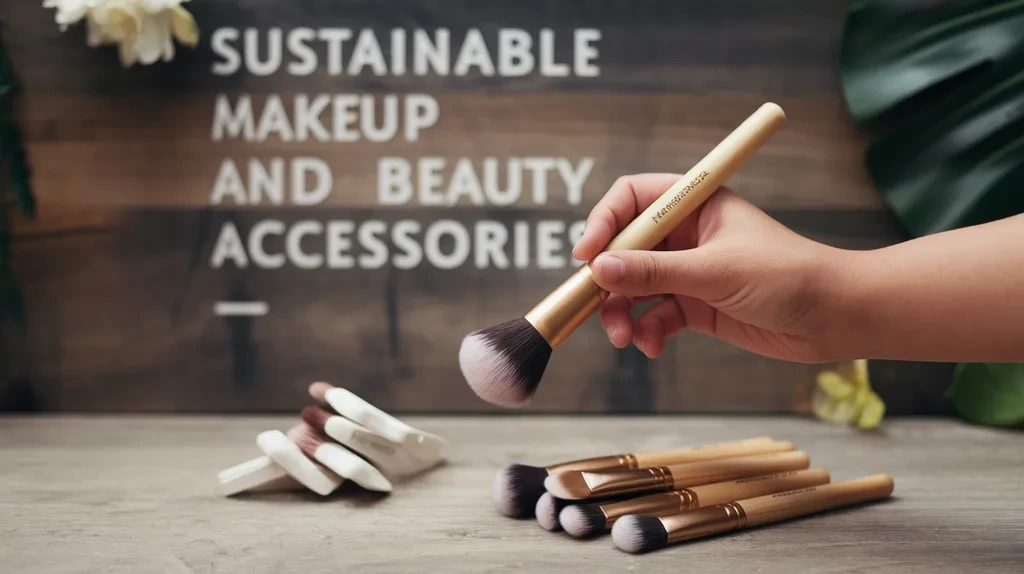
Makeup can generate considerable packaging waste because products often contain several small components. Sustainable beauty brands may offer refillable palettes, recyclable packaging, or products designed to reduce unnecessary materials.
Reusable accessories can also reduce repeated purchases. For example, washable makeup remover pads can replace some disposable cotton rounds.
Useful lower-waste alternatives include:
Reusable makeup remover pads
Washable facial cloths
Refillable makeup containers
Durable makeup brushes
Reusable cosmetic bags
Multipurpose beauty products
Even with reusable products, hygiene remains important. Wash reusable items regularly and follow the manufacturer’s care instructions.
How to Identify Truly Eco Friendly Beauty Products
Finding genuinely sustainable products can be challenging because terms such as “natural,” “green,” “clean,” and “eco” can have different meanings. A product’s marketing language alone does not prove that it has a low environmental impact.
Instead, examine specific information about packaging, ingredients, sourcing, and manufacturing. Look for clear explanations rather than vague environmental claims.
Before buying, ask:
Is the packaging recyclable, reusable, or refillable?
Does the company explain its environmental claims?
Are ingredients responsibly sourced?
Is excessive packaging being avoided?
Can the product be used completely before replacement?
Are sustainability certifications relevant and verifiable?
A transparent product description is generally more useful than a label that simply says “green.”
Eco Friendly Beauty Ingredients to Know
Some ingredients are associated with plant-based or biodegradable formulations, but “natural” does not automatically mean environmentally superior. The environmental impact of an ingredient can depend on farming, harvesting, processing, transportation, water consumption, and sourcing practices.
For this reason, consumers should avoid judging an entire formula based on one ingredient. A naturally derived ingredient may still require significant resources, while a synthetic ingredient may sometimes have a lower environmental impact.
When considering ingredients, pay attention to:
Responsible sourcing
Biodegradability where relevant
Production methods
Potential environmental effects
Certifications and supporting information
Ingredient safety also matters. Natural ingredients can cause irritation or allergic reactions, so choose formulas based on your individual needs rather than the word “natural” alone.
Sustainable Beauty Packaging and Recycling
Packaging is one of the easiest areas to notice when evaluating environmentally conscious beauty products. Plastic bottles, jars, tubes, pumps, boxes, and sachets can all have different environmental impacts and recycling requirements.
Refillable packaging can reduce waste when the refill system is genuinely used multiple times. Lightweight packaging may also reduce material use, while recycled materials can help create demand for recovered resources.
Before putting beauty packaging in a recycling bin, check local recycling rules. Not every type of plastic or cosmetic container is accepted everywhere.
Helpful habits include:
Empty containers before recycling when required
Separate components when local rules recommend it
Reuse suitable containers safely
Prefer refill systems you will actually use
Avoid unnecessary secondary packaging
How to Build a Low-Waste Beauty Routine
You do not need to replace every product in your bathroom at once. A gradual approach is usually more practical and can prevent unnecessary waste from throwing away usable products.
Start with items that create frequent waste or have simple reusable alternatives. Once an existing product is finished, consider whether a lower-waste replacement makes sense.
A practical approach is:
Finish products before replacing them
Reduce unnecessary purchases
Choose durable reusable accessories
Try refills when convenient
Buy suitable quantities
Store products correctly to extend their usable life
A minimalist beauty routine can also be environmentally helpful because fewer products generally mean less packaging and fewer resources used.
Eco Friendly Beauty on a Budget
Sustainable beauty does not always require expensive products. In fact, reducing consumption can sometimes save money.
Buying fewer products, using the correct amount, and finishing what you already own can have a greater environmental effect than constantly purchasing new products marketed as sustainable.
Consider these money-saving habits:
Use products according to recommended amounts
Avoid buying duplicates
Choose multipurpose products where appropriate
Compare refill costs with replacement costs
Purchase durable reusable accessories
Finish existing products before switching
The goal is not to create a perfect collection of environmentally friendly products. It is to make thoughtful choices that reduce unnecessary consumption.
Common Greenwashing Claims in Beauty
Greenwashing happens when environmental marketing creates an impression of sustainability that is stronger than the evidence behind it. Beauty products can be marketed with attractive words such as “earth-friendly,” “pure,” or “green” without clearly explaining what those claims mean.
Look for specific, measurable information. For example, saying that a package contains a certain percentage of recycled material provides more useful information than simply describing it as “eco-conscious.”
Be cautious when:
Environmental claims are vague
Packaging uses green imagery without evidence
One sustainable feature is used to promote the entire product
Important sourcing information is missing
Certifications are mentioned without clear details
Reading beyond the front label can help you distinguish meaningful sustainability efforts from marketing language.
How to Choose Eco Friendly Beauty Products Wisely
The best approach is to consider sustainability alongside effectiveness, safety, price, and practicality. A product that fits your needs and gets used completely may be a better choice than a highly marketed alternative that you do not enjoy using.
Think about the product from purchase to disposal. Consider where its ingredients come from, how much packaging it uses, how long it lasts, and what happens to the container afterward.
A simple checklist can help:
Need: Do you actually need the product?
Formula: Is it suitable for your skin or hair?
Packaging: Can waste be reduced?
Durability: Will you use it completely?
Sourcing: Is there useful information about ingredients?
Disposal: Can the packaging be reused or recycled locally?
This balanced approach makes sustainable beauty more realistic and easier to maintain.
Conclusion
Eco friendly beauty products can support a lower-waste personal-care routine through thoughtful ingredient sourcing, reduced packaging, refill systems, reusable accessories, and responsible consumption. However, no single label or ingredient guarantees that a product is environmentally superior.
Start small by finishing products you already own, reducing unnecessary purchases, choosing reusable options, and checking specific sustainability claims. Most importantly, choose products that are safe, suitable for your needs, and practical enough to use completely.
FAQs
Are eco friendly beauty products better for the environment?
They can be, particularly when they reduce packaging, waste, resource use, or unnecessary consumption. However, the environmental impact varies by product and its entire lifecycle.
Are natural beauty products always eco friendly?
No. Natural ingredients can still require significant land, water, energy, or transportation resources. “Natural” and “eco friendly” describe different qualities.
What is the most sustainable beauty packaging?
There is no single best option for every product. Refillable, reusable, recycled, or recyclable packaging can reduce environmental impact when the system is actually used and supported by appropriate local recycling facilities.
How can I make my beauty routine more sustainable?
Finish products before replacing them, buy fewer unnecessary items, choose reusable accessories, consider refill systems, and select products with transparent packaging and sourcing information.
Are eco friendly beauty products expensive?
Not necessarily. Some sustainable products cost more initially, while reducing consumption, choosing refills, and using products completely can help lower overall beauty spending.