
Major beauty brands play a major role in the modern beauty industry, offering products across skincare, makeup, haircare, fragrance, body care, and personal care. From long-established international companies to newer brands built around specific beauty needs, the market includes a wide variety of choices for different preferences and routines. Some major beauty brands focus on luxury products, while others provide affordable everyday cosmetics and skincare. Many also create specialized collections for concerns such as dryness, oiliness, sensitive skin, uneven tone, damaged hair, or age-related changes. Understanding the differences between these brands can make it easier to explore products without relying only on brand popularity. A familiar brand name can provide useful information about its product categories and approach, but the individual formula still matters most. Ingredients, skin type, hair type, intended use, and personal preferences should all be considered before choosing a beauty product. This guide explores major beauty brands, their categories, product approaches, and practical factors to consider when building a beauty routine.
What Are Major Beauty Brands?
The term “major beauty brands” generally refers to well-known companies or brand names with significant recognition, broad product ranges, extensive distribution, or a strong presence in the beauty market. There is no single official list that defines which companies qualify as major beauty brands. The term can include large multinational corporations, established cosmetics houses, professional beauty brands, and widely recognized independent companies.
Major beauty brands can operate in one category or several categories at the same time. For example, one company may concentrate on makeup, while another may have products covering skincare, fragrance, haircare, and body care.
Common characteristics of major beauty brands include:
- Wide product selections
- Availability through multiple retail channels
- Recognition across different markets
- Products designed for different consumer needs
- Investment in research, development, or product formulation
- Collections covering multiple beauty categories
Because the beauty industry changes frequently, brand ownership, product ranges, and availability can also change. Therefore, consumers should evaluate current product information rather than relying only on a brand’s reputation.
Major Beauty Brands in Skincare
Skincare is one of the largest areas of the beauty industry. Major skincare brands offer products such as cleansers, moisturizers, serums, sunscreens, toners, masks, and treatments. Some brands focus on everyday skincare, while others specialize in particular ingredients or skin concerns.
Large beauty companies may operate several skincare brands under the same corporate organization. This means that two brands can appear separate to consumers while having the same parent company.
Skincare products are commonly designed around specific goals, including:
- Hydrating dry skin
- Managing excess oil
- Supporting the skin barrier
- Improving the appearance of uneven skin tone
- Protecting skin from environmental exposure
- Providing gentle care for sensitive skin
When comparing major beauty brands, it is useful to look beyond packaging and advertising. Read the ingredient list, product instructions, and intended-use information. A product that works well for one person may not produce the same experience for another.
For people with sensitive skin, introducing one new product at a time can make it easier to notice how the skin responds. Following product directions and avoiding excessive use are also important parts of a sensible skincare routine.
Major Makeup Brands and Cosmetics
Makeup represents another major part of the global beauty market. Major makeup brands produce products such as foundation, concealer, powder, blush, bronzer, highlighter, eyeshadow, mascara, eyeliner, lipstick, and lip gloss.
Different makeup brands often develop different strengths. Some concentrate on complexion products, while others become known for eye makeup, lip products, professional cosmetics, or particular finishes.
When choosing makeup, shoppers should consider factors such as:
- Skin type and comfort
- Desired coverage
- Product texture
- Shade availability
- Finish
- Ingredients
- Intended occasion
- Ease of application
Foundation and concealer, for example, should be selected according to individual complexion needs rather than simply choosing the most recognizable brand. Similarly, eye and lip products should be used according to their intended purpose and directions.
Major beauty brands may also release seasonal collections, limited-edition products, and updated versions of established formulas. Checking the current product description is therefore useful when comparing different options.
Haircare Brands and Professional Beauty Products

Haircare is another important category within the beauty industry. Major haircare brands offer shampoos, conditioners, masks, oils, leave-in treatments, styling products, and other formulas designed for different hair characteristics.
Haircare products may target concerns such as dryness, frizz, breakage, damaged hair, oily roots, or color-treated hair. Professional beauty companies may also produce products designed for use by hairstylists and salons.
A useful way to compare haircare brands is to identify the specific need before choosing a product. For example, someone looking for everyday cleansing may have different requirements from someone searching for a conditioning treatment.
Haircare routines can vary considerably because hair texture, thickness, porosity, styling habits, and chemical treatments differ from person to person.
Important factors include:
- Hair texture
- Scalp condition
- Washing frequency
- Heat styling
- Chemical treatments
- Moisture needs
- Product buildup
Using more products does not necessarily create a better haircare routine. A simple routine with products suited to the individual’s hair can often be easier to maintain.
Major Beauty Brands in Fragrance
Fragrance is another important category associated with many major beauty brands. Products can include perfumes, eau de parfum, eau de toilette, body sprays, colognes, and scented body products.
Fragrance brands often organize products around different scent families. Common fragrance categories include floral, citrus, woody, fresh, fruity, oriental or amber, and gourmand styles.
Because fragrance reacts differently with individual skin chemistry, testing a scent can be more informative than choosing it based solely on descriptions. The way a fragrance smells immediately after application can also change as different notes develop over time.
When exploring fragrances, consider:
- Scent family
- Strength
- Longevity
- Intended occasion
- Personal preference
- Seasonal suitability
Fragrance is highly personal, so there is no universal choice that works for everyone. The goal is to understand the characteristics of a fragrance and determine whether they match the user’s preferences.
Luxury and Affordable Beauty Brands
The beauty industry includes products at many different price levels. Some major beauty brands operate in luxury markets, while others focus on affordable cosmetics, skincare, or personal care.
Luxury products may emphasize packaging, specialized formulations, exclusive distribution, brand heritage, or premium positioning. Affordable brands often focus on accessibility and everyday use.
However, price alone does not determine whether a beauty product is suitable. A lower-priced product can contain useful ingredients, while an expensive product may not be appropriate for a particular person’s needs.
When comparing products at different price points, look at:
- Ingredient lists
- Product size
- Concentration where relevant
- Intended use
- Packaging
- Application experience
- Consumer needs
Comparing products based on their actual features rather than price or reputation can make beauty shopping more practical.
Popular Beauty Brands by Product Category
Because the beauty industry is so broad, it can be helpful to organize major brands by their primary product categories. This approach makes it easier to understand why certain brands are frequently discussed.
Examples of widely recognized beauty names include brands such as L’Oréal Paris, Maybelline New York, Estée Lauder, Clinique, MAC, NARS, Shiseido, Lancôme, Revlon, e.l.f. Cosmetics, Neutrogena, Olay, Dove, Pantene, and many others.
These examples represent different areas of the beauty market and should not be treated as a ranking. Some are particularly associated with makeup, while others have stronger recognition in skincare, haircare, body care, or broader personal care.
The beauty market also includes many brands operating under larger parent companies. Understanding this structure can help explain why several seemingly independent brands may have related corporate ownership.
How to Compare Major Beauty Brands
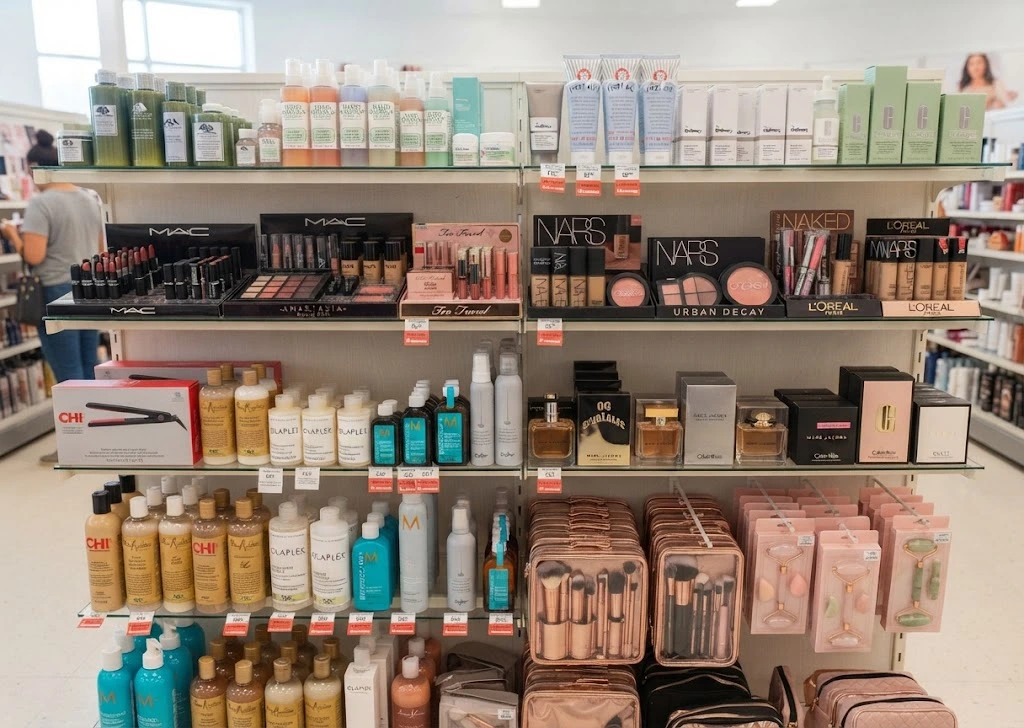
Comparing major beauty brands can be easier when the comparison begins with a specific product need. Instead of asking which brand is generally better, consider what you actually need from the product.
For skincare, examine the ingredients, formulation, intended skin type, and product directions. For makeup, consider shade range, finish, coverage, and comfort. For haircare, focus on hair type, scalp needs, and the purpose of the formula.
A practical comparison can include:
- Product purpose
- Ingredients
- Formulation
- Size
- Price per amount
- Directions
- Suitable skin or hair types
- Packaging and application
Reviews can sometimes provide useful information about texture, scent, packaging, or application. However, individual experiences vary, so reviews should be considered alongside objective product information.
It is also helpful to check the manufacturer’s current information because formulas and product ranges can change over time.
Ingredients Matter More Than Brand Recognition
Brand recognition can make a product easier to notice, but ingredients remain an important part of evaluating beauty products. Understanding basic ingredient categories can help consumers make more informed choices.
For example, moisturizers may contain ingredients designed to attract or retain water, soften the skin, or reduce moisture loss. Cleansers may contain surfactants that help remove oil and dirt. Hair conditioners often contain ingredients that improve softness, manageability, or surface smoothness.
Some people also prefer products without particular ingredients because of personal preferences or sensitivities. Reading the complete ingredient list is therefore useful.
A simple approach is to identify the purpose of a product and then check whether its formula is designed to support that purpose. Consumers should also follow directions and avoid using products in ways that are not recommended on the packaging.
Beauty Brands for Different Skin Types
Skin type can influence which beauty products feel comfortable and practical. Common descriptions include dry, oily, combination, normal, and sensitive skin, although individual skin characteristics can vary.
People with dry skin may prefer products designed to support hydration and reduce the feeling of tightness. Those with oily skin may look for lightweight textures. Combination skin can require different approaches for different areas of the face.
Sensitive skin may require additional care when introducing new products. Fragrance, active ingredients, or certain formulations may not suit everyone.
Useful considerations include:
- Choose products according to individual needs
- Introduce new products gradually
- Follow application instructions
- Avoid combining too many new products at once
- Stop using a product if it causes significant irritation
- Seek professional advice for persistent skin concerns
Beauty products are not a substitute for medical treatment. When a skin concern is persistent, painful, or unusual, a qualified healthcare professional or dermatologist can provide appropriate guidance.
Beauty Brands for Different Hair Types
Hair type and condition can also influence product selection. Straight, wavy, curly, and coily hair may respond differently to particular products. Hair that has been colored, chemically treated, or frequently exposed to heat may have additional needs.
Major beauty brands often offer product lines aimed at particular hair characteristics. However, the label alone should not determine the choice.
Consider the current condition of the hair and scalp. A person with dry ends may have different needs from someone experiencing oily roots. Similarly, a person who rarely styles their hair may need a simpler routine than someone who frequently uses styling tools.
A balanced haircare routine commonly focuses on cleansing, conditioning, and appropriate styling or treatment. Products should be used according to their directions rather than applied excessively.
How Beauty Brands Use Research and Product Development
Research and product development are important parts of the modern beauty industry. Major companies may invest in cosmetic science, formulation development, testing, packaging technology, and consumer research.
Product development can involve many stages. Companies may identify a consumer need, develop a formula, evaluate its characteristics, conduct appropriate testing, and refine the product before release.
Modern beauty development may also focus on areas such as:
- Skin barrier support
- Hair fiber care
- Long-lasting makeup
- Product texture
- Ingredient stability
- Packaging design
- Application convenience
The amount and type of research can vary between companies and products. Consumers should therefore look for specific product information rather than assuming every product from a large company has the same development process.
Sustainable Packaging and Beauty Brands
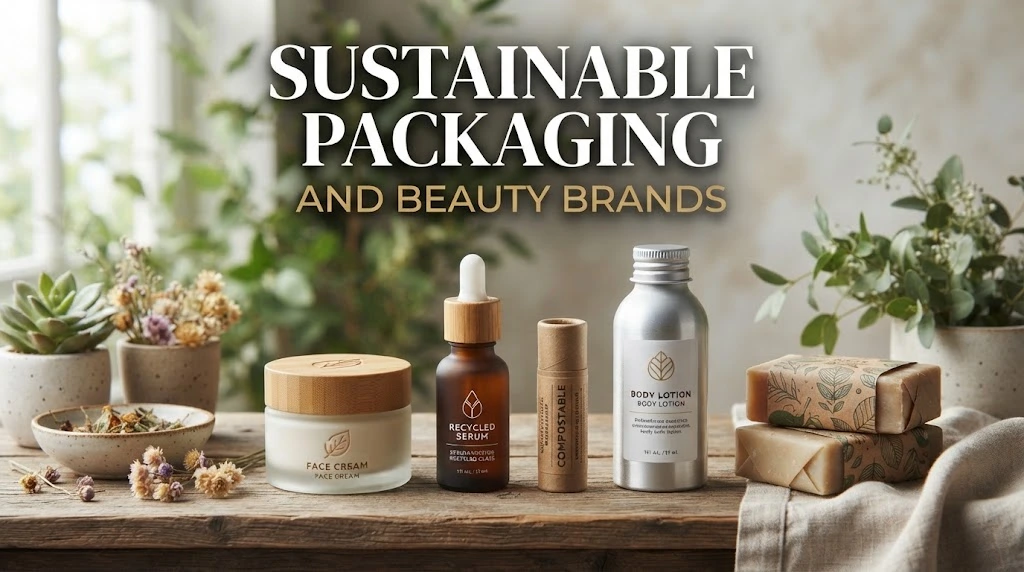
Environmental concerns have become increasingly relevant to the beauty industry. Many companies have explored packaging changes, refill systems, recyclable materials, reduced packaging, and other approaches intended to reduce waste.
Packaging can account for a significant portion of a beauty product’s environmental impact, so companies may consider material selection and product design during development.
Consumers can also reduce unnecessary waste by using products responsibly and disposing of packaging according to local recycling rules.
When evaluating sustainability claims, look for specific information rather than relying on broad terms. Details about packaging materials, refill systems, recycling instructions, or company initiatives provide more useful context.
How to Build a Simple Beauty Routine
A beauty routine does not need to contain a large number of products. In many cases, starting with a few basic products makes it easier to understand what works for you.
A simple skincare routine might include cleansing, moisturizing, and daytime sun protection when appropriate. Makeup can be added according to personal preference, while haircare can focus on cleansing, conditioning, and styling needs.
When building a routine, introduce products gradually. This can make it easier to identify which product is responsible if irritation or another unwanted reaction occurs.
It is also useful to review a routine periodically. If a product is no longer needed, replacing it with another product simply because it is popular may not provide any meaningful benefit.
How to Shop Major Beauty Brands Responsibly
Beauty shopping can become overwhelming because major brands often offer hundreds of products. A focused shopping strategy can reduce unnecessary purchases.
Start by identifying the specific problem or purpose. Then compare a small number of suitable products based on ingredients, size, directions, and price.
Before purchasing, check whether the product is appropriate for its intended use. Pay attention to expiration information, packaging condition, and storage instructions.
Responsible beauty shopping can include:
- Making a list before shopping
- Comparing ingredients
- Checking product sizes
- Avoiding unnecessary duplicates
- Reading directions carefully
- Purchasing from reliable retailers
- Considering whether the product meets an actual need
This approach can help reduce waste while making the beauty routine easier to manage.
Major Beauty Brands and Changing Consumer Preferences
Consumer preferences continue to influence the beauty industry. Shoppers increasingly look for products that match particular needs, routines, budgets, and personal values.
There is also growing interest in straightforward ingredient information, inclusive shade ranges, convenient packaging, multifunctional products, and products designed for different skin and hair characteristics.
Social media has also changed how people discover beauty products. Trends can spread quickly, sometimes causing products to become popular within a short period.
However, popularity should not replace careful evaluation. A product trending online may not be appropriate for every person. Checking ingredients, intended use, and individual needs remains important.
Tips for Choosing Products From Major Beauty Brands
Choosing among major beauty brands becomes easier when you focus on the product rather than the name alone. Start with your personal needs and then narrow your options.
For skincare, consider skin type and the main concern you want to address. For makeup, think about shade, texture, coverage, and finish. For haircare, consider hair texture, scalp condition, and styling habits.
A few practical tips can help:
- Read the full product description.
- Check the ingredient list.
- Compare similar products.
- Follow application directions.
- Introduce new products gradually.
- Avoid buying products solely because they are trending.
Remember that beauty routines are personal. What works for one individual may not work the same way for someone else.
The Future of Major Beauty Brands
The beauty industry continues to evolve as technology, consumer preferences, ingredient research, and retail habits change. Major beauty brands are likely to continue developing products across skincare, makeup, haircare, fragrance, and personal care.
Digital shopping has also made it easier for consumers to research products before purchasing. Online product information, ingredient databases, educational content, and customer feedback can help shoppers understand their options.
At the same time, consumers should remain careful about exaggerated claims. Beauty marketing can make products sound transformative, but realistic expectations and evidence-based information are more useful when making purchasing decisions.
The future of beauty will likely include continued experimentation with formulations, packaging, personalization, and digital experiences. Consumers can benefit by staying informed while choosing products according to their own needs.
Frequently Asked Questions About Major Beauty Brands
What are major beauty brands?
Major beauty brands are widely recognized companies or brand names that have a significant presence in areas such as skincare, makeup, haircare, fragrance, or personal care. The term is broad and does not represent one official industry list.
Which products do major beauty brands usually sell?
Major beauty brands may sell skincare products, cosmetics, haircare products, fragrances, body care, and other personal-care items. Some specialize in one category, while others offer products across several categories.
Are expensive beauty brands always better?
No. Price does not automatically determine whether a beauty product is suitable or effective for an individual. Ingredients, formulation, intended use, and personal needs are important factors to consider.
How should I choose products from major beauty brands?
Start by identifying your specific need, then compare products based on ingredients, formulation, intended use, skin or hair type, size, directions, and price. Avoid choosing a product only because the brand is famous.
Can major beauty brands be suitable for sensitive skin?
Some brands offer products designed for sensitive skin, but suitability varies from person to person. Check the ingredient list, follow directions, and introduce new products carefully. If you experience persistent or significant irritation, consider speaking with a qualified healthcare professional.
Conclusion
Major beauty brands offer a wide range of products for skincare, makeup, haircare, fragrance, and personal care. Their large product selections can make beauty shopping convenient, but brand popularity should not be the only factor in a purchasing decision. Ingredients, individual needs, product instructions, skin type, hair type, and budget all deserve attention. Comparing products carefully can help consumers build simpler and more practical beauty routines. Most importantly, beauty products should be used as directed, and persistent skin or hair concerns should be discussed with an appropriate healthcare professional. A thoughtful approach to beauty shopping can help you choose products that fit your routine without unnecessary purchases or complicated steps.