
Over and over beauty can describe the idea of returning to simple, consistent beauty habits that fit comfortably into everyday life. Rather than treating beauty as a constant search for something new, this approach focuses on routines, products, and habits that can be used regularly and thoughtfully. Modern beauty culture includes skincare, haircare, makeup, body care, fragrance, and personal grooming, so it can be easy to feel overwhelmed by the number of available choices. A practical routine can make those choices easier by focusing on individual needs instead of trends. Consistency can also make a routine easier to understand because you can notice how your skin, hair, or overall comfort responds over time. At the same time, beauty products are personal, and a product that works well for one person may not suit another. The most useful approach is to consider ingredients, intended use, personal preferences, and basic safety before adding something to a routine.
What Does Over and Over Beauty Mean?
The phrase “over and over beauty” is not a standard technical term in the cosmetics industry. In a beauty context, it can be understood as the repeated practice of simple grooming and self-care habits that people incorporate into their regular routines.
This idea emphasizes consistency rather than constantly changing products. A person may have a small collection of skincare, haircare, or makeup products that they use regularly because those products fit their needs.
A repeatable beauty routine may include:
- Regular cleansing
- Moisturizing
- Hair washing and conditioning
- Basic grooming
- Makeup when desired
- Sun protection during daytime activities
The purpose is not to create a complicated routine. Instead, the goal is to establish practical habits that are comfortable and easy to maintain.
Why Consistency Matters in Beauty Routines
Consistency can make a beauty routine easier to manage. When someone changes several products at once, it becomes difficult to determine which product is responsible for a positive or negative change.
Using a smaller number of products for an appropriate period can provide a clearer understanding of how those products fit into the routine. This is particularly useful for skincare because different products can have different purposes and application schedules.
A consistent routine can also make it easier to remember basic steps. Instead of trying every new trend, you can focus on products that serve a clear purpose.
However, consistency does not mean using a product indefinitely. Products should still be replaced when appropriate, and routines can be adjusted when individual needs change.
Over and Over Beauty and Skincare
Skincare is one of the clearest examples of a routine that benefits from consistency. Basic skincare commonly focuses on cleansing, moisturizing, and protecting the skin from ultraviolet exposure during the day.
Additional products, such as serums or masks, may be used according to individual preferences and product instructions. They are not automatically necessary for everyone.
When choosing skincare products, consider your skin’s characteristics and the purpose of each formula. Dry, oily, combination, and sensitive skin can have different needs.
Useful skincare considerations include:
- Skin type
- Product ingredients
- Texture
- Intended use
- Fragrance preferences
- Application instructions
Introducing new products gradually can also make it easier to identify potential irritation. If a product causes significant or persistent discomfort, stop using it and seek appropriate professional advice when needed.
Building a Repeatable Daily Beauty Routine
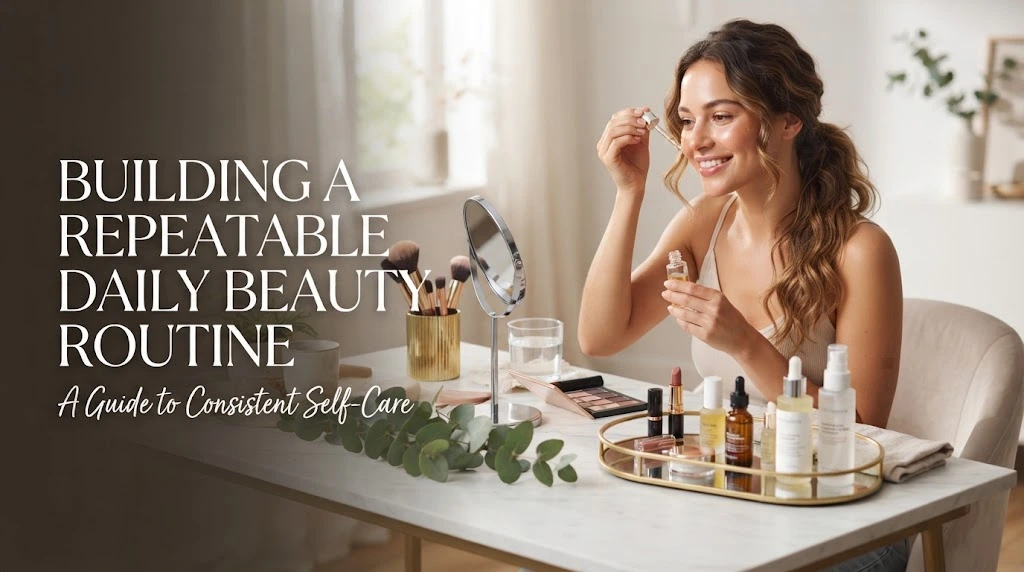
A repeatable beauty routine should be simple enough to fit naturally into everyday life. A complicated routine may become difficult to maintain, especially when every step requires a different product.
A basic routine can begin with a few essentials. For skincare, this might mean cleansing, moisturizing, and daytime sun protection. Haircare can focus on appropriate cleansing and conditioning, while makeup can be added according to personal preference.
The exact routine depends on the individual. There is no requirement to follow a long list of beauty steps.
A practical routine can focus on:
- What you actually need
- Products you use regularly
- Simple application steps
- Appropriate product amounts
- Regular hygiene
The goal is to create a routine that feels manageable rather than turning beauty care into an unnecessary daily task.
Over and Over Beauty and Haircare
Haircare also depends on repeated habits. Washing, conditioning, detangling, and styling can become regular parts of a personal routine.
Different hair types may respond differently to products. Straight, wavy, curly, and coily hair can have different styling and conditioning needs. Hair that has been colored or chemically treated may also require additional care.
When choosing haircare products, consider your hair’s condition rather than simply following trends. A product marketed for dry hair may not be necessary for someone whose hair has different characteristics.
Important factors include:
- Hair texture
- Scalp condition
- Washing frequency
- Heat styling
- Chemical treatments
- Moisture needs
Using products according to their instructions can help prevent unnecessary buildup or overuse.
Makeup as Part of an Everyday Beauty Routine
Makeup can be part of a repeatable beauty routine, but it does not need to be an everyday requirement. Some people enjoy makeup regularly, while others prefer to use it only for particular occasions.
Common makeup products include foundation, concealer, blush, mascara, eyeliner, eyeshadow, lipstick, and lip gloss. Each product serves a different purpose, so choosing a smaller selection can make application easier.
When using makeup repeatedly, hygiene becomes important. Makeup brushes and reusable applicators should be cleaned regularly, and products should be stored appropriately.
For a practical makeup routine, consider:
- Products you genuinely enjoy using
- Suitable shades
- Comfortable textures
- Easy application
- Proper storage
- Clean applicators
Beauty should remain a personal choice rather than a requirement to meet a particular appearance standard.
Choosing Products That You Can Use Regularly
A product may look appealing when you first see it, but that does not mean it belongs in your regular routine. Before purchasing something new, consider whether it has a clear purpose.
If you already have several products that perform the same function, another similar item may not add much value. Instead, you can focus on products that fill a genuine gap in your routine.
Before buying a new beauty product, ask:
- What is this product designed to do?
- Do I actually need it?
- Is it suitable for my skin or hair?
- How often will I use it?
- What ingredients does it contain?
- Can it fit into my existing routine?
This approach can help reduce unnecessary purchases while keeping your beauty collection organized.
Understanding Beauty Ingredients
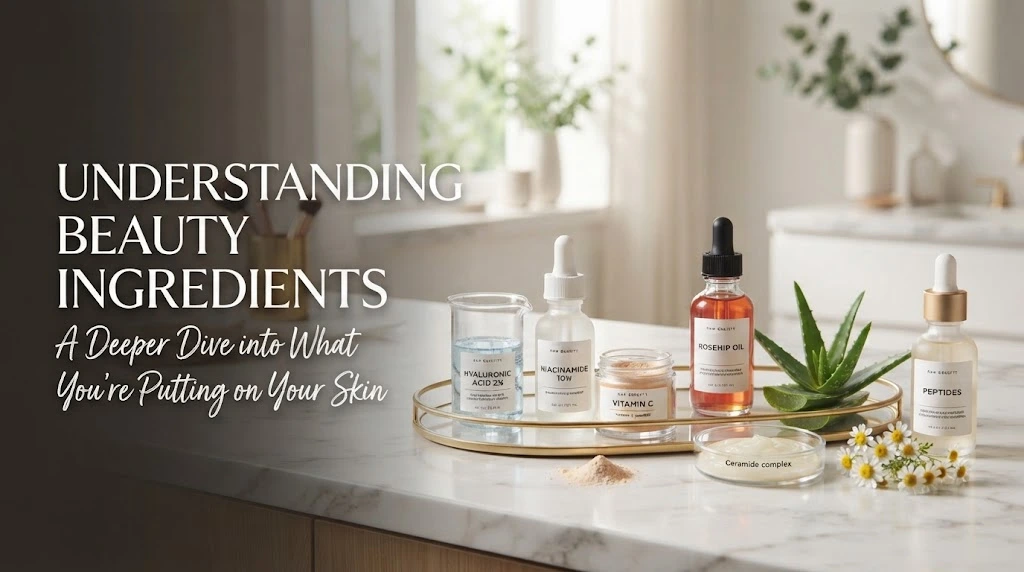
Ingredients are an important part of choosing beauty products. Product labels can provide information about what a formula contains and how it is intended to be used.
Different ingredients serve different purposes. Some ingredients help cleanse, others help moisturize, condition, soften, exfoliate, or improve the texture of a product.
It is better to consider the entire formula rather than assuming that one ingredient automatically determines whether a product is suitable.
People with known allergies or sensitivities should pay particular attention to ingredient information. If you are uncertain about an ingredient or have a recurring skin problem, a qualified healthcare professional can provide more appropriate guidance.
Reading labels also helps you follow the manufacturer’s intended use. Beauty products should not be used in ways that contradict their instructions.
Over and Over Beauty and Personal Hygiene
Repeated beauty habits should always include good hygiene. Clean hands, clean tools, and appropriate product storage can make everyday beauty routines more practical.
Makeup brushes and reusable tools can accumulate product residue over time. Cleaning them according to their material and intended use can help maintain them.
Personal beauty products should also generally be treated as individual items rather than objects to share casually, particularly products that come into direct contact with the eyes, lips, or skin.
Basic hygiene habits include:
- Washing hands before skincare application
- Cleaning reusable beauty tools
- Keeping containers closed
- Storing products appropriately
- Avoiding products that have visibly changed
- Following product-specific hygiene instructions
These habits are simple but useful parts of responsible beauty care.
Sustainable Beauty Habits
Using beauty products over and over can also encourage more thoughtful consumption. Instead of constantly buying new products, consumers can focus on finishing items they already own when those products remain appropriate and safe to use.
This can reduce unnecessary waste and make it easier to understand which products genuinely belong in a routine.
Sustainable beauty habits may include:
- Avoiding unnecessary duplicates
- Using appropriate amounts
- Reusing suitable tools
- Recycling packaging where local systems allow
- Choosing products based on genuine needs
Sustainability does not require perfection. Small changes in shopping and product-use habits can make a routine more organized.
How to Avoid Beauty Product Overuse
Using a product repeatedly does not mean using more of it than recommended. Overuse can be particularly relevant to products containing active or exfoliating ingredients.
Following the directions on the label is important. Applying larger amounts or using a product more frequently than recommended does not automatically improve results.
A balanced routine should leave room for the skin and hair to respond naturally. If a product causes persistent dryness, irritation, discomfort, or another concerning reaction, stop using it and consider professional guidance.
Keeping a beauty routine simple can also reduce the temptation to layer too many products together.
Over and Over Beauty and Modern Trends

Beauty trends change quickly. Social media can introduce new products, techniques, and routines to large audiences in a short period.
While trends can be fun to explore, they do not necessarily suit every person. A product that becomes popular online may have a specific formulation or intended use that is not appropriate for everyone.
A practical approach is to separate entertainment from personal product selection. You can enjoy learning about trends while still choosing products based on your own needs.
Before trying a trending product, consider:
- Its intended purpose
- Its ingredients
- Your skin or hair type
- The application instructions
- Whether you already have a similar product
This helps keep a beauty routine personal rather than trend-driven.
Creating a Minimal Beauty Collection
A minimal beauty collection can make everyday routines easier. Instead of collecting many products, focus on items that perform useful and clearly defined functions.
A simple collection might include basic skincare, essential haircare, a few makeup products if desired, and selected personal-care items.
The ideal collection differs from person to person. Someone who enjoys makeup may have more cosmetics, while someone interested mainly in skincare may prefer to focus on facial-care products.
A practical collection should be:
- Easy to organize
- Suitable for your routine
- Simple to maintain
- Free from unnecessary duplicates
- Based on actual needs
Minimalism does not mean owning a specific number of products. It means being intentional about what you keep and use.
Beauty Products and Different Personal Needs
Beauty routines are individual. Age, skin characteristics, hair texture, climate, lifestyle, and personal preferences can all influence product choices.
For example, someone living in a dry environment may have different skincare needs from someone living in a humid climate. Similarly, frequent swimming, sports, or heat styling can affect haircare routines.
Because needs differ, beauty advice should not be treated as universal. Product descriptions and professional guidance can provide useful context, but individual responses still matter.
A good routine should be comfortable, practical, and appropriate for the person using it.
How to Organize Your Beauty Routine
Organization can make repeated beauty habits easier. Keeping products in logical categories can reduce the time needed to find them.
You might separate skincare, makeup, haircare, and body-care products. Frequently used products can be kept in an easily accessible location, while occasional-use items can be stored separately.
It is also useful to review your collection from time to time. Remove products that are no longer suitable or that you no longer intend to use, following appropriate disposal guidance.
An organized routine can help prevent accidental duplicate purchases and make it easier to know what you actually have.
Responsible Beauty Shopping
Responsible shopping means considering whether a product has a genuine place in your routine before purchasing it. Marketing can make new products appear essential even when they perform functions similar to products you already own.
Creating a shopping list can help. Instead of browsing without a plan, identify products that need replacing or specific needs that are not currently addressed.
You can also compare ingredients, product sizes, directions, and prices before purchasing.
Responsible shopping can help you:
- Reduce unnecessary spending
- Avoid product duplication
- Keep your collection manageable
- Focus on products you will actually use
- Reduce unnecessary packaging waste
This approach supports a simpler and more sustainable beauty routine.
The Role of Self-Care in Beauty
Beauty routines can also be a form of personal care. Simple habits such as washing your face, caring for your hair, or applying moisturizer can provide a regular moment to focus on yourself.
However, self-care does not need to be connected to achieving a particular appearance. Beauty routines can be enjoyable because they provide comfort, creativity, organization, or relaxation.
It is also important to remember that appearance does not determine personal worth. Makeup and skincare can be enjoyable tools, but they are not requirements for looking or feeling valuable.
A healthy approach to beauty leaves room for individuality and comfort.
Conclusion
Over and over beauty can be understood as a practical approach to consistent beauty and personal-care habits. Instead of constantly searching for new trends, people can focus on routines and products that genuinely suit their needs. Skincare, haircare, makeup, body care, hygiene, and organization can all become manageable parts of an everyday routine when used thoughtfully. Reading product labels, following directions, introducing new products gradually, and maintaining good hygiene are important habits. Most importantly, beauty routines should support personal comfort and self-expression rather than create pressure to meet unrealistic appearance standards. A simple, consistent, and safe approach can make everyday beauty care easier to manage.
Frequently Asked Questions
What does over and over beauty mean?
Over and over beauty is not a formal beauty-industry term. In a general context, it can describe consistent beauty routines and repeated self-care habits involving skincare, haircare, makeup, grooming, and personal care.
Why is consistency important in a beauty routine?
Consistency can make a routine easier to maintain and can help you understand how individual products fit your needs. Introducing products gradually can also make it easier to identify potential irritation.
Should I use many beauty products every day?
Not necessarily. A beauty routine can be simple and still meet your needs. Choose products according to their purpose and follow their recommended directions rather than using more products simply because they are available.
How can I choose beauty products safely?
Read the product label, check the ingredients, follow the directions, and consider whether the product is suitable for your skin or hair. Introduce new products gradually, especially when you have sensitive skin.
Can beauty routines be part of self-care?
Yes. Skincare, haircare, grooming, and makeup can be enjoyable forms of personal care. However, beauty routines are optional and should support comfort and self-expression rather than pressure to achieve a particular appearance.