
Use up and down arrow keys to resize the meta box pane.
Use up and down arrow keys to resize the meta box pane.
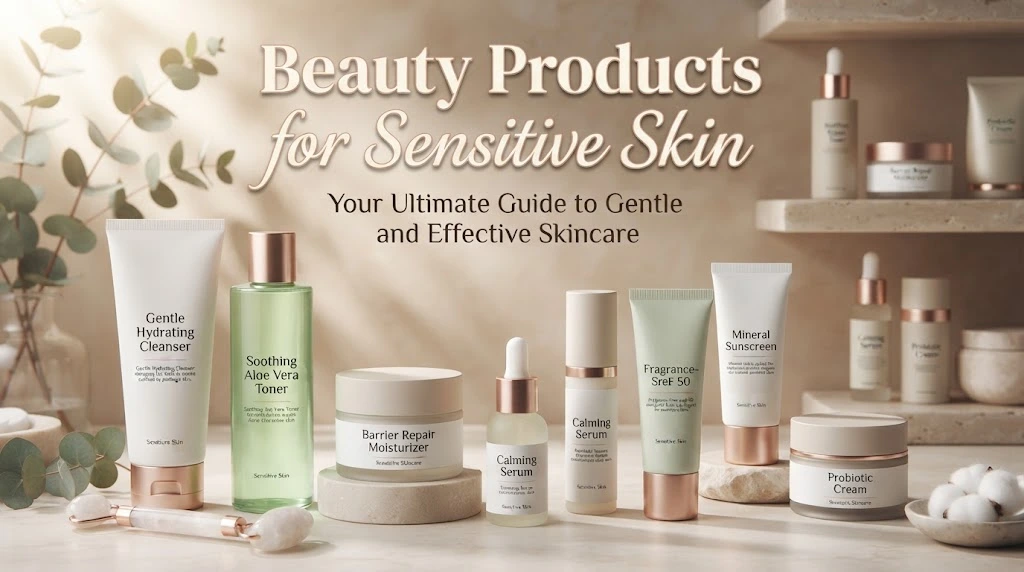
Choosing the right beauty products for sensitive skin can make a major difference in comfort and everyday skincare. Sensitive skin may react to certain fragrances, harsh ingredients, preservatives, or environmental factors, so a simple and thoughtful routine is often helpful. The goal is not to use the largest number of products, but to select formulas that support the skin barrier without causing unnecessary irritation. Gentle cleansers, moisturizers, sunscreens, and carefully selected makeup can all fit into a sensitive-skin routine. It is also useful to introduce new products gradually rather than changing everything at once. Reading ingredient labels can help you identify products that may not suit your skin. With consistent care and attention to how your skin responds, you can build a practical beauty routine that feels comfortable and easy to maintain.
Use up and down arrow keys to resize the meta box pane.
What Makes Skin Sensitive?
Use up and down arrow keys to resize the meta box pane.
Use up and down arrow keys to resize the meta box pane.
Use up and down arrow keys to resize the meta box pane.
Sensitive skin describes skin that is more likely to feel uncomfortable or react to certain products, environmental conditions, or skincare ingredients. Common sensations include stinging, burning, tightness, dryness, redness, or itching. These reactions can vary from person to person and may not happen every day.
Use up and down arrow keys to resize the meta box pane.
A weakened skin barrier can make the skin more vulnerable to external irritants. Weather changes, excessive cleansing, hot water, friction, and strong cosmetic formulas may contribute to discomfort. For this reason, beauty products for sensitive skin generally focus on gentle cleansing, hydration, and barrier support.
People with persistent or severe reactions should consider speaking with a qualified healthcare professional. Sensitivity can sometimes overlap with conditions such as eczema, contact dermatitis, or rosacea, which require more specific care.
Choosing a Gentle Cleanser
A cleanser is one of the first products used in many skincare routines, so choosing a gentle formula is particularly important for sensitive skin. A suitable cleanser should remove dirt, excess oil, sunscreen, and makeup without leaving the skin feeling extremely tight or uncomfortable.
Cream, lotion, or gentle gel cleansers can be useful depending on individual skin needs. Look for straightforward formulas and avoid products that consistently cause burning or irritation.
When selecting a cleanser, consider:
- Gentle cleansing agents
- Fragrance-free or low-irritant formulas
- Hydrating ingredients
- Minimal unnecessary additives
- A comfortable finish without excessive dryness
Using lukewarm water instead of very hot water can also help reduce unnecessary stress on the skin. After cleansing, gently pat the skin dry instead of rubbing it with a towel.
Moisturizers for Sensitive Skin
Moisturizer helps reduce water loss and supports the skin barrier. This makes it one of the most useful categories when looking for beauty products for sensitive skin. A good moisturizer should leave the skin comfortable without creating persistent stinging, burning, or excessive heaviness.
Ingredients such as ceramides, glycerin, hyaluronic acid, and squalane are commonly used in moisturizing formulas. However, an ingredient being popular does not automatically mean it will suit every person. Individual tolerance matters more than trends.
People with dry sensitive skin may prefer richer creams, while those with combination or oily skin may feel more comfortable with lighter lotions or gel-creams. The right texture should provide hydration without making the routine unpleasant to use.
Sunscreen for Sensitive Skin
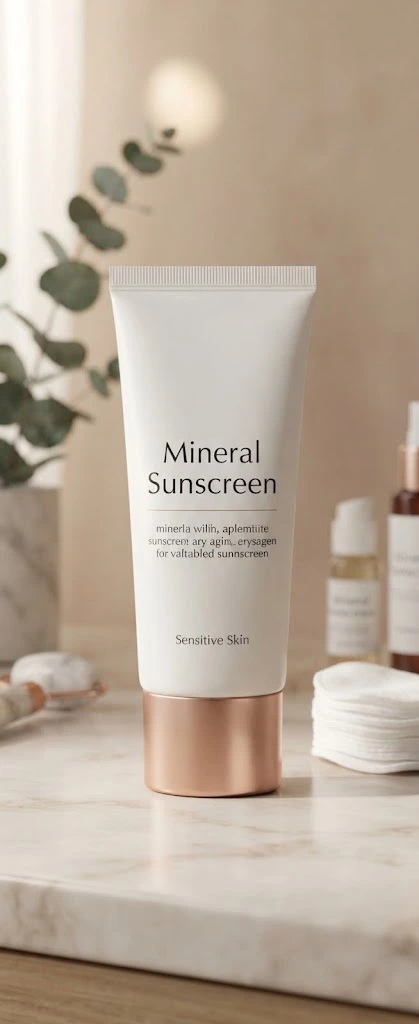
Daily sun protection is an important part of skin health. Sensitive skin may benefit from sunscreens formulated with fewer potential irritants, especially if conventional formulas tend to cause discomfort around the eyes or on the face.
Mineral sunscreen formulas containing zinc oxide or titanium dioxide are often considered by people who find some chemical sunscreen formulas irritating. However, sunscreen tolerance varies, and no single type works perfectly for everyone.
When choosing facial sunscreen, consider:
- Broad-spectrum protection
- A texture you can comfortably apply
- Fragrance-free options if fragrance causes irritation
- Formulas designed for sensitive or reactive skin
- Regular application when spending time outdoors
Sunscreen should complement other protective habits, including seeking shade, wearing protective clothing, and limiting prolonged direct sun exposure.
Makeup Products for Sensitive Skin
Sensitive skin does not necessarily mean you need to avoid makeup. Instead, selecting simpler formulas and paying attention to your skin’s response can make makeup more comfortable.
Foundation, concealer, blush, eyeshadow, and other cosmetics can contain fragrances, pigments, preservatives, or other ingredients that some people may not tolerate well. If a particular product repeatedly causes discomfort, stopping its use is usually more useful than trying to push through the reaction.
For a sensitive-skin makeup routine, consider:
- Fragrance-free makeup where appropriate
- Products labeled for sensitive skin
- Lightweight formulas when preferred
- Clean and well-maintained brushes
- Removing makeup gently before sleeping
- Replacing old or visibly changed cosmetics
It is also helpful to avoid sharing makeup and makeup tools because doing so can transfer bacteria and other contaminants.
Ingredients to Look for in Gentle Beauty Products
Ingredient lists can seem complicated, but learning a few common skincare ingredients can make shopping easier. Moisturizing and barrier-supporting ingredients are often useful for maintaining comfortable skin.
Ceramides are lipids naturally found in the skin barrier and are frequently included in moisturizers. Glycerin is a humectant that helps attract water to the skin. Hyaluronic acid is another widely used humectant that can support hydration.
Other ingredients may also be helpful depending on the formula and individual needs. For sensitive skin, however, more ingredients do not necessarily mean a better product.
Useful ingredients may include:
- Ceramides for barrier support
- Glycerin for hydration
- Squalane for moisturizing
- Colloidal oatmeal for soothing care
- Panthenol for conditioning and hydration
- Petrolatum for reducing moisture loss
Always consider the complete formulation rather than choosing a product solely because it contains one popular ingredient.
Ingredients and Product Features to Approach Carefully
Sensitive skin can react to many different substances, and the trigger is not always obvious. Fragrance is a common concern for people who experience irritation from scented products. Essential oils can also cause problems for some individuals, despite being marketed as natural ingredients.
Strong exfoliating acids, retinoids, alcohol-heavy formulas, and highly fragranced products may also be uncomfortable for some people. This does not mean every sensitive-skin user must avoid these ingredients permanently. Rather, it is important to understand personal tolerance and introduce active ingredients carefully.
If your skin is easily irritated, be cautious with:
- Strongly fragranced products
- Frequent physical scrubs
- Multiple exfoliating products at once
- Very hot water
- Products that repeatedly cause burning or stinging
- Rapidly changing several products simultaneously
A simple routine can make it easier to identify which product is responsible if irritation develops.
How to Test New Beauty Products

Introducing a new product slowly is a practical way to understand how your skin responds. Instead of adding several new products at the same time, introduce one product and observe how your skin reacts.
A small-area test can provide useful information, although it cannot guarantee that a product will never cause a reaction elsewhere. Follow the product’s instructions and stop using it if you experience concerning irritation.
It can also help to keep a simple record of new products. Write down the product name, when you started using it, and any noticeable changes. This can make it easier to identify patterns if your skin becomes uncomfortable.
If you experience significant swelling, blistering, severe pain, difficulty breathing, or other serious symptoms after using a product, seek appropriate medical attention promptly.
Building a Simple Sensitive-Skin Beauty Routine
A simple routine is often easier to maintain than a complicated one. Too many products can increase the number of potential irritants and make it difficult to determine what your skin actually needs.
A basic routine can include gentle cleansing, moisturizing, and daytime sun protection. Makeup and targeted skincare products can then be added according to personal preferences and skin needs.
A straightforward routine might look like this:
- Morning: Gentle cleanser or water rinse, moisturizer, and sunscreen.
- During the day: Reapply sunscreen when appropriate for your exposure.
- Evening: Gentle cleanser to remove makeup and sunscreen, followed by moisturizer.
- As needed: Add one targeted product at a time after determining that your basic routine is comfortable.
Consistency is usually more practical than constantly changing products based on beauty trends.
Caring for Sensitive Skin Beyond Products
Beauty products are only one part of maintaining comfortable skin. Everyday habits can also influence how the skin feels. Excessive washing, aggressive exfoliation, and frequent exposure to extreme temperatures may increase dryness or irritation.
Clean towels, pillowcases, makeup brushes, and applicators can also support good hygiene. Products should be stored according to their instructions and kept away from excessive heat or moisture when appropriate.
Other helpful habits include:
- Avoiding unnecessary rubbing or scratching
- Washing makeup tools regularly
- Removing makeup gently
- Following product storage instructions
- Introducing new products gradually
- Paying attention to recurring reactions
These simple habits can complement a gentle skincare routine without requiring a large collection of products.
How to Choose Beauty Products for Different Skin Needs
Sensitive skin can also be dry, oily, combination, or acne-prone. Therefore, choosing products should involve more than looking for a “sensitive skin” label. Consider both sensitivity and the skin’s other characteristics.
For dry sensitive skin, moisturizing creams and barrier-supporting ingredients may be useful. For oily sensitive skin, lightweight, non-greasy textures may feel more comfortable. Combination skin may benefit from adjusting product amounts across different areas of the face.
If you frequently experience acne, redness, scaling, or persistent irritation, avoid assuming that every reaction is simply sensitivity. A dermatologist or other qualified healthcare professional can help determine whether an underlying skin condition is involved.
Why Simple Routines Can Work Well
A minimalist approach can make sensitive-skin care easier to manage. When you use fewer products, there are fewer opportunities for potentially irritating ingredients to come into contact with your skin.
A simple routine also makes troubleshooting easier. If you suddenly develop irritation after introducing one new product, it may be easier to identify the possible cause than when five products are introduced simultaneously.
Modern skincare offers many specialized products, but more steps do not automatically produce better results. For sensitive skin, comfort, consistency, appropriate hydration, sun protection, and careful product selection can provide a practical foundation.
Frequently Asked Questions
What are the best beauty products for sensitive skin?
There is no single product that works for everyone. Gentle cleansers, moisturizers, sunscreens, and makeup with simple formulas may be suitable starting points. Individual tolerance is important, so introduce products gradually.
Is fragrance-free makeup better for sensitive skin?
Fragrance-free makeup may be helpful for people who react to fragrance. However, fragrance-free does not guarantee that a product will suit every person, because sensitivity can involve many different ingredients.
Can sensitive skin use makeup every day?
Many people with sensitive skin can use makeup regularly if they choose products their skin tolerates and remove them gently. Keeping brushes and applicators clean is also important.
Should sensitive skin avoid all active skincare ingredients?
Not necessarily. Some people with sensitive skin can tolerate certain active ingredients when they are introduced slowly and used appropriately. If an ingredient repeatedly causes irritation, discontinue it and consider professional advice.
How can I tell if a beauty product is irritating my skin?
Look for recurring symptoms such as burning, stinging, itching, unusual redness, dryness, or discomfort after application. Introducing one new product at a time can make it easier to identify possible triggers.
Conclusion
Finding suitable beauty products for sensitive skin is mainly about understanding your skin and choosing products carefully rather than following every skincare trend. Gentle cleansing, regular moisturizing, appropriate sun protection, and simple makeup choices can create a practical foundation for everyday care. Reading ingredient labels and introducing new products gradually can also reduce unnecessary irritation. Remember that sensitive skin varies from person to person, so a product that works well for someone else may not work the same way for you. If reactions are frequent, severe, or persistent, professional medical advice can help identify the underlying cause. With a simple, consistent, and skin-conscious approach, beauty routines can remain comfortable, practical, and enjoyable.